

Polyester blends are redefining fashion in 2026 by combining durability, affordability, and modern style. While traditional linen fabrics
Introduction
The global fashion industry is evolving rapidly, with innovation and practicality shaping consumer choices more than ever before. Among the many fabric trends emerging, polyester blends have become a dominant force in 2026. Combining durability, affordability, and versatility, these fabrics are transforming how we perceive comfort and style. While traditional materials like linen fabrics and soft linen continue to hold their charm, polyester fabrics are redefining modern fashion with enhanced performance and adaptability.
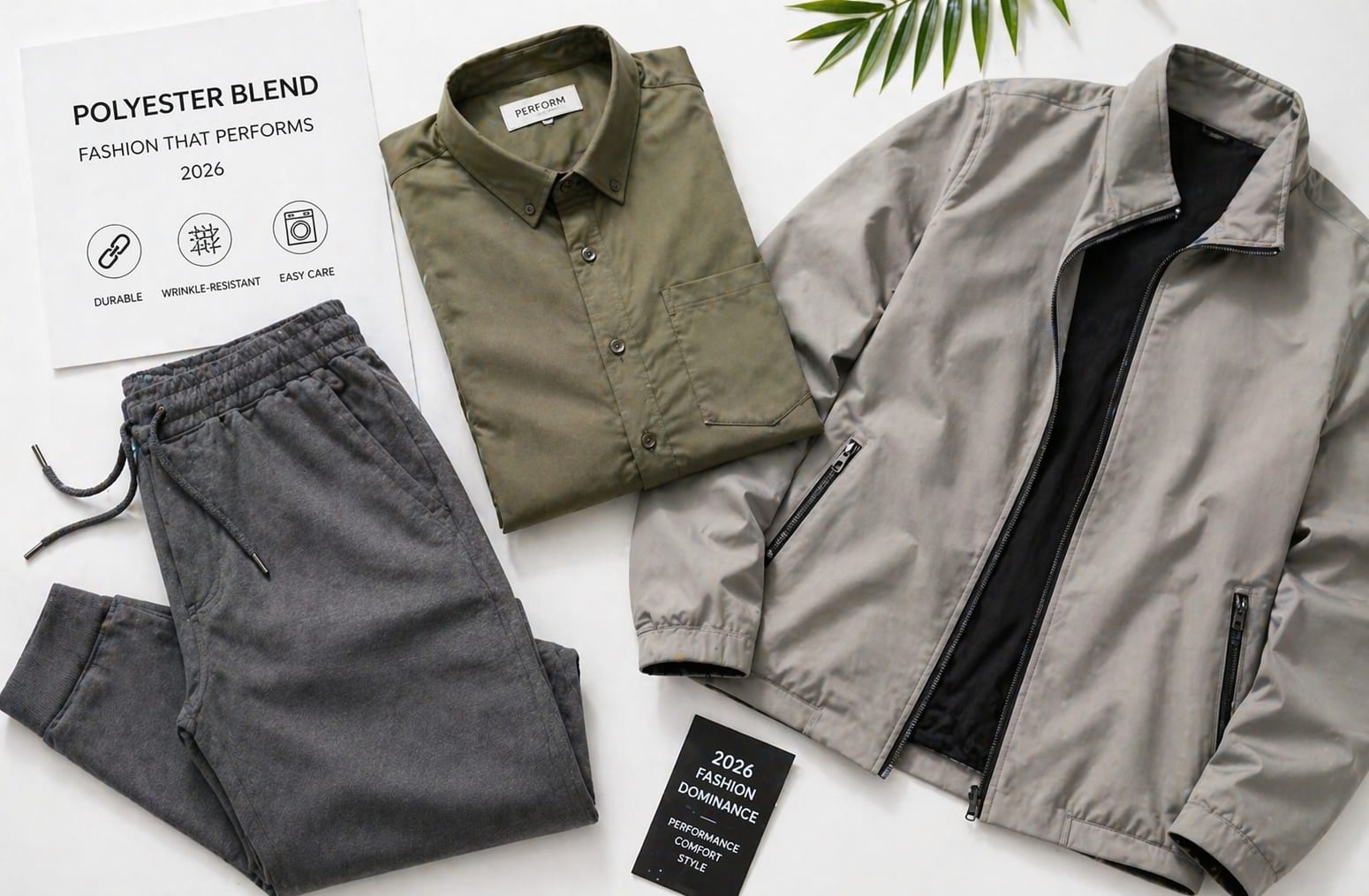
What Are Polyester Blends and Why Are They So Popular?
Polyester blends are fabrics created by combining polyester fibers with natural or synthetic materials such as cotton or linen cloth. This fusion results in a textile that balances strength with comfort, making it ideal for both casual and formal wear.
- Key Features of Polyester Blends
Polyester blends offer wrinkle resistance, durability, and moisture-wicking properties, which make them suitable for everyday use. When combined with soft linen or cotton, they also enhance breathability and texture. - Growing Demand in 2026
In 2026, consumers are prioritizing low-maintenance and long-lasting clothing. Polyester fabrics meet these demands perfectly, which explains their increasing popularity in global markets.
Polyester Blends vs Linen Fabrics: A Modern Comparison
While linen fabrics are known for their natural feel and breathability, polyester blends provide a more balanced solution for modern lifestyles.
- Comfort and Breathability
Linen cloth is highly breathable and perfect for hot climates, but it wrinkles easily. Polyester blends, especially when mixed with soft linen, offer improved comfort while reducing creases. - Durability and Maintenance
Polyester fabrics are more resistant to wear and tear compared to pure linen fabrics. They require less ironing and are easier to maintain, making them ideal for busy consumers.
Why Fashion Brands Are Choosing Polyester Blends in 2026
Fashion brands are increasingly adopting polyester blends due to their adaptability and cost-effectiveness. These fabrics allow designers to experiment with textures while maintaining affordability.
- Cost Efficiency
Blending polyester with linen cloth or cotton reduces production costs without compromising quality, enabling brands to offer stylish yet affordable clothing. - Sustainability Innovations
Modern polyester fabrics are now being produced using recycled materials, aligning with the growing demand for sustainable fashion while complementing eco-friendly options like linen fabrics.
The Role of Polyester Blends in Everyday Fashion
Polyester blends are no longer limited to activewear; they are now a staple in everyday wardrobes.
- Versatility in Clothing
From office wear to casual outfits, polyester blends provide flexibility. When combined with soft linen, they create garments that are both stylish and comfortable. - Climate Adaptability
These fabrics perform well in different weather conditions, unlike traditional linen cloth, which is mostly preferred for summer wear.
Future Trends: What’s Next for Polyester Fabrics?
The future of polyester blends looks promising as technology continues to enhance fabric quality and sustainability.
- Smart Textiles
Innovations are leading to polyester fabrics with temperature control and moisture management, making them even more appealing. - Eco-Friendly Blends
The combination of recycled polyester with linen fabrics is expected to dominate sustainable fashion trends in the coming years.

Conclusion
Polyester blends have successfully carved a niche in the fashion industry by offering durability, affordability, and versatility. While traditional options like linen fabrics and soft linen continue to be valued for their natural appeal, polyester fabrics provide a practical solution for modern consumers. As fashion continues to evolve, businesses like Amrita Global Enterprise are playing a crucial role in delivering high-quality fabric solutions that meet both style and sustainability demands. Choosing the right blend today ensures comfort, longevity, and trend-forward fashion for the future.
FAQs
1. Are polyester blends better than linen fabrics?
Polyester blends are not necessarily better but offer different advantages compared to linen fabrics. While linen cloth is known for its natural breathability and lightweight feel, polyester fabrics provide durability, wrinkle resistance, and easy maintenance. Many consumers prefer blends that combine soft linen with polyester to enjoy the benefits of both comfort and practicality.
2. Is polyester blend fabric suitable for all seasons?
Yes, polyester blends are highly versatile and can be worn in different seasons. When mixed with linen fabrics, they become breathable enough for summer, while their durability makes them suitable for cooler weather as well. This adaptability is one of the main reasons polyester fabrics are trending in 2026.
3. Do polyester blends feel comfortable on the skin?
Modern polyester blends are designed to enhance comfort. When combined with soft linen or cotton, they reduce the synthetic feel and provide a smoother texture. This makes them suitable for daily wear without compromising on comfort.
4. Are polyester fabrics environmentally friendly?
Traditional polyester fabrics are synthetic, but recent innovations have introduced recycled polyester options. When blended with natural materials like linen cloth, they create a more sustainable fabric choice that aligns with eco-conscious fashion trends.
5. Why are fashion brands shifting towards polyester blends?
Fashion brands prefer polyester blends because they are cost-effective, durable, and versatile. These fabrics allow for innovative designs while maintaining quality. Additionally, blending polyester fabrics with linen fabrics helps brands cater to both sustainability and performance-focused consumers.