

Discover why organic cotton clothing is a safer and more comfortable choice for sensitive skin.
Introduction
In today’s conscious consumer landscape, choosing the right cotton fabric goes beyond comfort—it directly impacts skin health. With growing awareness around allergies and skin sensitivity, many individuals are shifting towards safer alternatives like organic cotton clothing. Backed by industry insights and experience in a competitive MNC environment, it’s clear that selecting the right cotton material can significantly improve both comfort and long-term well-being.
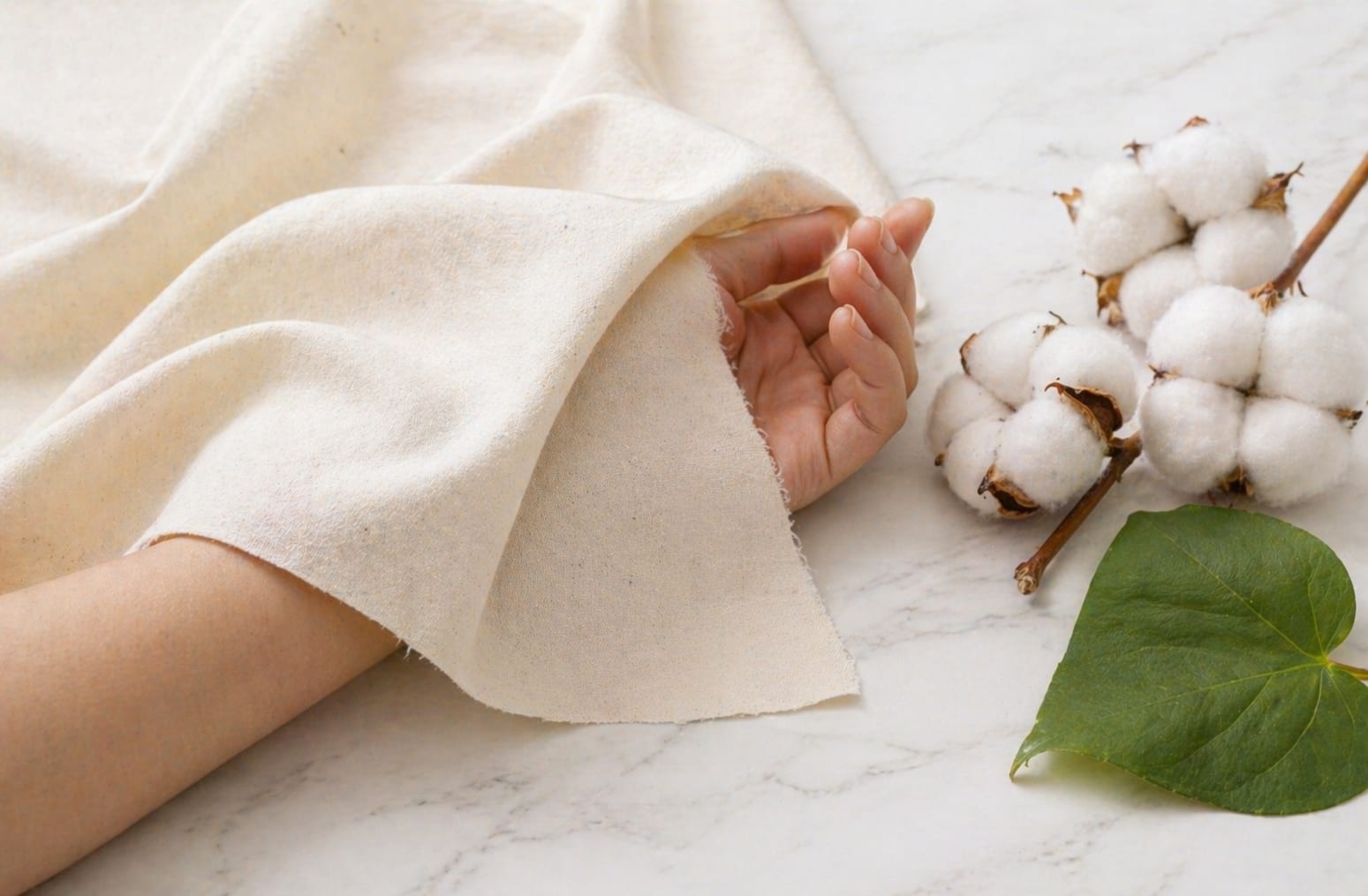
What Makes Organic Cotton Different from Regular Cotton?
Understanding the difference between conventional cotton fabric and organic alternatives is essential when dealing with sensitive skin. The production process plays a major role in how the fabric interacts with your body.
-
Organic cotton clothing is grown without harmful pesticides or chemicals
-
Regular cotton may contain residues from fertilizers and synthetic treatments
-
Organic processing avoids harsh dyes and bleaching agents
Why Sensitive Skin Needs Special Fabric Choices
Sensitive skin reacts quickly to external irritants, making fabric selection a crucial factor. Choosing the wrong cotton fabric can lead to discomfort, irritation, or even allergic reactions.
-
Cotton with chemical residues may cause itching or redness
-
Breathable fabrics reduce the risk of sweat-related irritation
-
Organic cotton clothing minimizes exposure to skin irritants
Benefits of Organic Cotton Fabric for Skin Health
The natural composition of organic cotton clothing offers multiple benefits, especially for people with delicate or reactive skin. It provides a safer and more comfortable experience compared to conventional fabrics.
-
Cotton fabric made organically is softer and gentler on the skin
-
It is hypoallergenic and reduces the chances of skin allergies
-
Free from toxins, making it ideal for prolonged wear
Breathability and Comfort Factors
Comfort is one of the primary reasons people prefer cotton fabric, but organic variants take it a step further by enhancing natural properties.
-
Cotton allows better airflow, keeping the skin cool and dry
-
Organic fibers improve moisture absorption
-
Organic cotton clothing ensures all-day comfort without irritation
Environmental Impact and Skin Safety Connection
There is a strong link between sustainability and skin health. The way cotton fabric is produced affects not only the environment but also the end user.
-
Organic cotton clothing reduces environmental pollution
-
Fewer chemicals mean safer fabric for direct skin contact
-
Sustainable farming practices improve overall fabric quality
How to Identify Genuine Organic Cotton Fabric
With increasing demand, it’s important to ensure that you are buying authentic organic cotton clothing and not mislabeled products.
-
Look for certifications when purchasing cotton fabric
-
Genuine cotton will feel soft and natural without chemical smell
-
Check brand transparency and sourcing information

Conclusion
Choosing organic cotton clothing is not just a trend but a necessity for individuals with sensitive skin. Its chemical-free processing, superior comfort, and skin-friendly properties make it a better alternative to regular cotton fabric. As the demand for safe and sustainable textiles grows, companies like Amrita Global Enterprise are leading the way by offering high-quality cotton solutions that prioritize both skin health and environmental responsibility.
FAQs
1. Why is organic cotton better for sensitive skin?
Organic cotton clothing is better for sensitive skin because it is free from harmful chemicals, pesticides, and synthetic dyes that can cause irritation. Unlike regular cotton fabric, it undergoes a cleaner production process, ensuring that the final material is gentle, hypoallergenic, and safe for prolonged contact with the skin.
2. Can regular cotton cause skin irritation?
Yes, regular cotton can sometimes cause irritation, especially if it contains chemical residues from processing or dyeing. These substances can trigger allergies or discomfort in people with sensitive skin. Choosing organic cotton clothing helps reduce this risk significantly.
3. Is organic cotton fabric more breathable than regular cotton?
Both types of cotton fabric are breathable, but organic cotton clothing often performs better due to the absence of chemical coatings. This allows the fibers to maintain their natural structure, improving airflow and moisture absorption for enhanced comfort.
4. How can I check if cotton fabric is truly organic?
To verify if a cotton fabric is organic, look for recognized certifications and labels. Authentic organic cotton clothing will also feel softer and free from synthetic smells, indicating minimal chemical processing and higher purity.
5. Is organic cotton clothing worth the investment?
Yes, organic cotton clothing is worth the investment, especially for those with sensitive skin. It offers long-term benefits such as improved comfort, reduced skin irritation, and better sustainability compared to conventional cotton, making it a valuable and responsible choice.