

Discover why manufacturers prefer woven fabrics for long-lasting products.
Introduction
Woven fabrics have long been the backbone of the textile industry, especially when durability and structure are key requirements. From industrial applications to premium apparel, manufacturers consistently rely on these materials for their strength and longevity. Whether it’s woven cotton fabric for breathable garments or heavy-duty woven clothing for workwear, understanding why these fabrics are preferred can help businesses and buyers make more informed decisions.
What Are Woven Fabrics and How Do They Work?
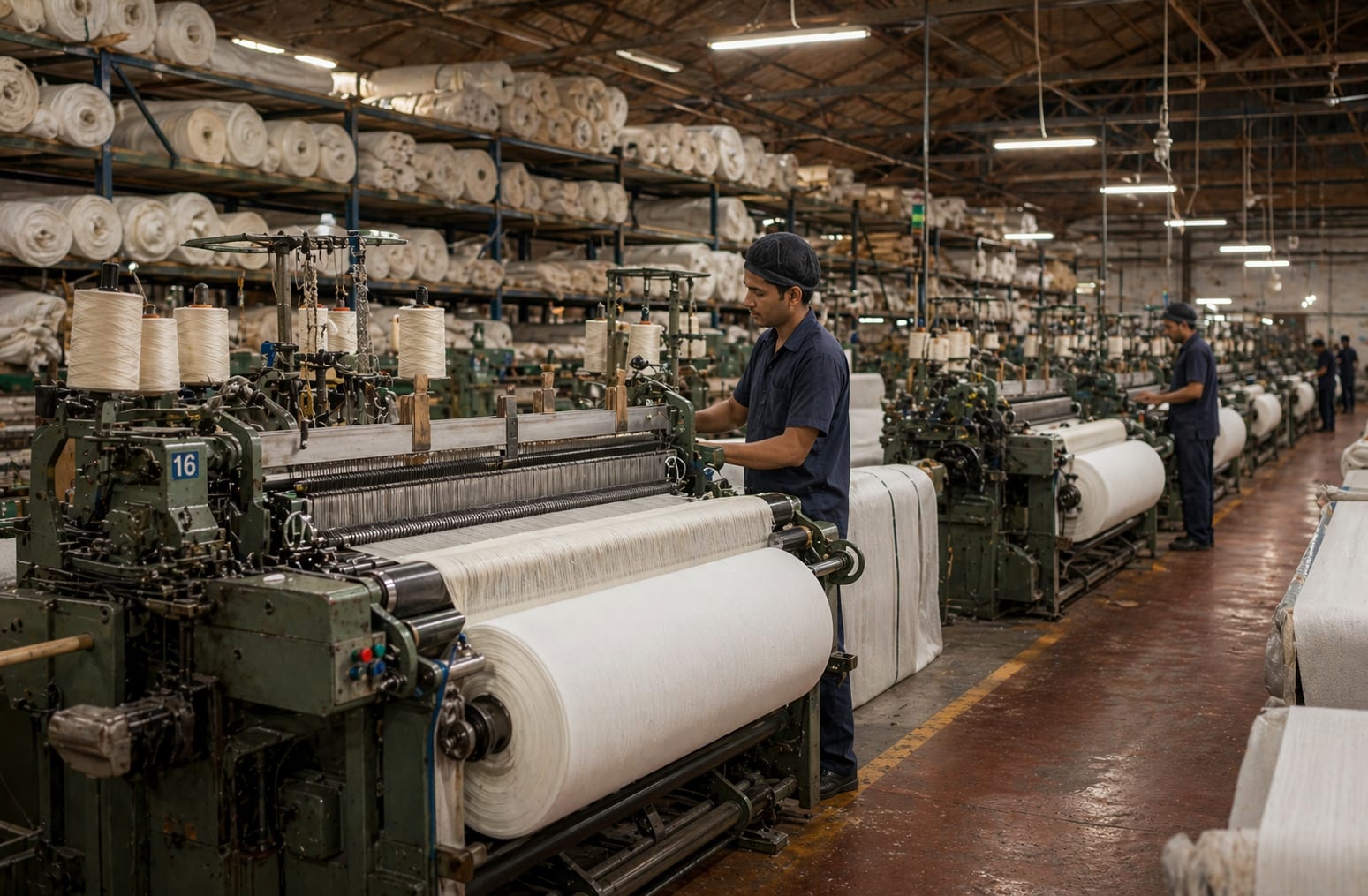
Woven fabrics are created by interlacing two sets of yarns at right angles, forming a stable and firm structure. This method gives the fabric its strength and reduces the chances of stretching compared to other fabric types.
The tight construction of woven fabrics makes them ideal for applications where durability is essential. Woven cotton fabric, in particular, offers a balance of strength and comfort, making it widely used in both casual and formal woven clothing.
Why Are Woven Fabrics Known for Their Durability?
Durability is one of the main reasons manufacturers choose woven fabrics for long-lasting products. The interlocking yarn pattern provides resistance to wear and tear, ensuring the material maintains its integrity over time.
Unlike more flexible fabrics, woven fabrics do not easily lose their shape, which makes them suitable for garments and products that require structure. Woven cotton fabric also performs well under repeated washing and usage, further enhancing its reliability in the textile market.
Key Benefits of Using Woven Fabrics in Manufacturing
Manufacturers prefer woven fabrics not only for durability but also for their versatility across various industries.
-
High tensile strength suitable for long-term use
-
Better resistance to abrasion and damage
-
Ability to maintain shape in structured garments
-
Wide range of textures and finishes for woven clothing
These advantages make woven fabrics a dependable choice for both functional and aesthetic applications.
Woven Fabrics vs Knit Fabrics: Why Manufacturers Choose Woven
When comparing woven fabrics with knit fabrics, the primary difference lies in their structure and performance. Woven fabrics offer rigidity and strength, while knit fabrics focus more on flexibility and comfort.
For manufacturers producing long-lasting products, woven fabrics provide better stability and resistance to deformation. Woven cotton fabric is especially valued for creating garments that require a crisp appearance and long-term durability, making it a preferred option for woven clothing in formal and industrial sectors.
Applications of Woven Fabrics in Long-Lasting Products
Woven fabrics are used across a wide range of industries due to their strength and adaptability. Their structured nature makes them suitable for products that need to endure regular use without compromising quality.
From shirts and trousers to upholstery and uniforms, woven clothing plays a significant role in both fashion and functional wear. Woven cotton fabric is also commonly used in home textiles, offering durability along with a comfortable feel.
How to Choose High-Quality Woven Fabrics
Selecting the right woven fabrics is essential to ensure long-term performance and value. Quality indicators can help buyers and manufacturers make better choices.
Look for a tight weave pattern, consistent texture, and strong yarn quality. Woven cotton fabric should feel firm yet comfortable, while high-quality woven clothing materials should show minimal signs of fraying or loose threads. Partnering with reliable suppliers ensures consistency and superior fabric standards.

Conclusion
Woven fabrics continue to be a top choice for manufacturers due to their unmatched durability, structure, and versatility. Whether used in apparel, home textiles, or industrial products, materials like woven cotton fabric offer long-lasting performance and reliability. For businesses seeking premium-quality woven fabrics, Amrita Global Enterprise provides trusted solutions with consistent quality and industry expertise, making it a reliable partner for long-term textile needs.
FAQs
Why are woven fabrics more durable than other fabrics?
Woven fabrics are more durable because of their interlaced yarn structure, which creates a मजबूत and stable material. This construction prevents excessive stretching and increases resistance to wear and tear, making them ideal for long-lasting products and woven clothing.
Is woven cotton fabric suitable for everyday wear?
Yes, woven cotton fabric is highly suitable for everyday wear as it combines comfort with durability. It is breathable, skin-friendly, and strong enough to withstand regular washing and usage, making it a popular choice for daily woven clothing.
What types of products use woven fabrics the most?
Woven fabrics are widely used in products such as shirts, trousers, uniforms, upholstery, and home textiles. Their strength and structure make them ideal for items that require durability and a well-defined shape over time.
How can I identify high-quality woven fabrics?
High-quality woven fabrics can be identified by their tight weave, smooth finish, and strong yarn composition. Woven cotton fabric should feel firm and consistent, while good woven clothing materials will have minimal defects and maintain their structure after use.
Are woven fabrics better than knit fabrics for manufacturing?
Woven fabrics are better for manufacturing products that require durability and structure, while knit fabrics are preferred for flexibility and comfort. For long-lasting woven clothing and industrial applications, woven fabrics remain the superior choice.