

Discover what makes a textile company successful in today’s competitive textile industry. This blog highlights key factors.
Introduction
The textile industry is evolving rapidly with changing consumer demands, technological advancements, and global competition. For fabric manufacturers and businesses involved in textile manufacturing, success today requires more than just production capabilities. It demands innovation, quality, sustainability, and strong market positioning. Understanding the key factors that define a successful textile company can help businesses stay competitive and achieve long-term growth in this dynamic landscape.
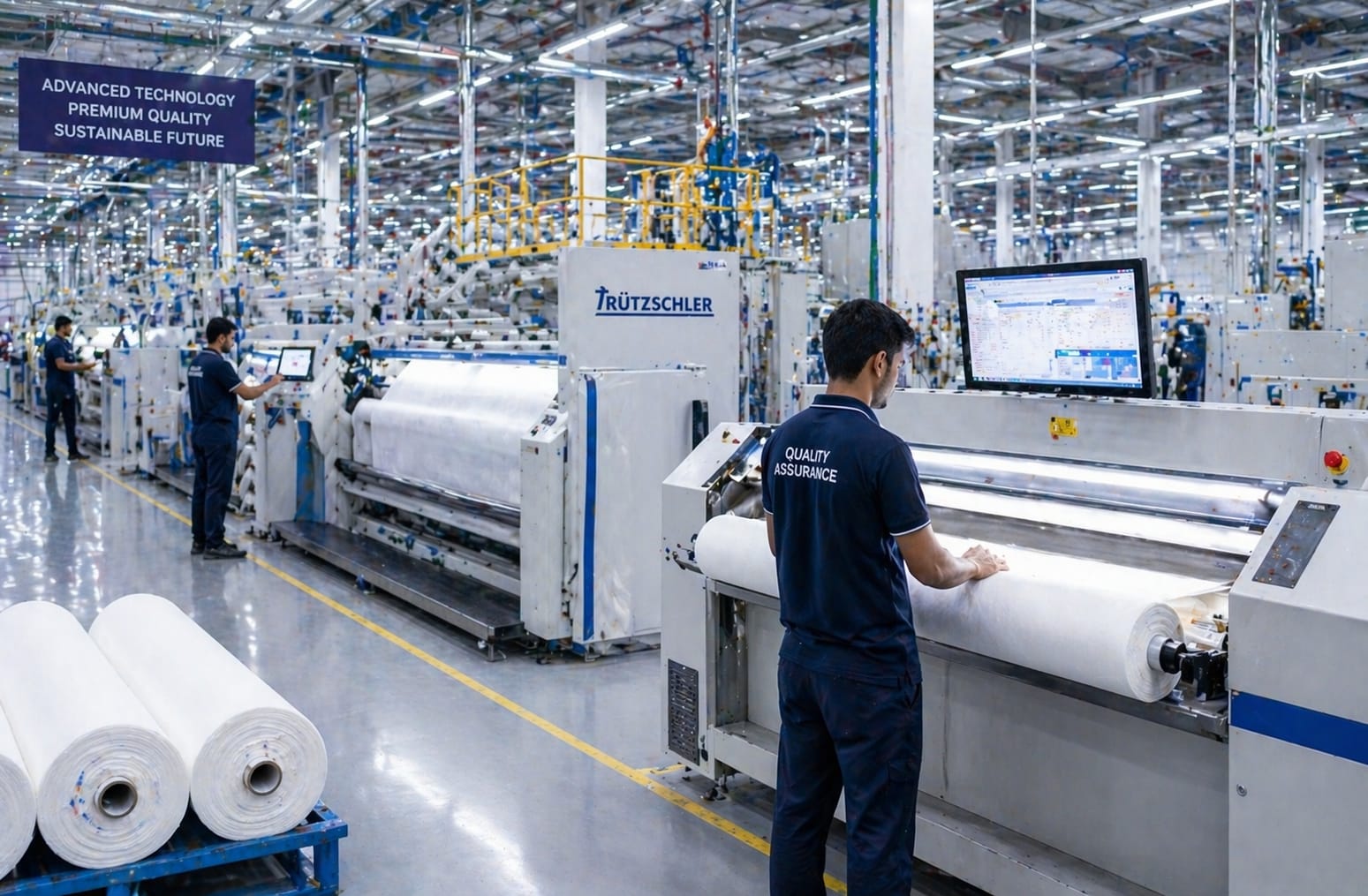
Quality and Consistency in Textile Manufacturing
Maintaining high standards is one of the most critical factors in the textile industry. Companies that consistently deliver superior products build trust and long-term relationships with clients.
-
Product Quality Standards
High-quality fabrics with durability, color retention, and proper finishing help fabric manufacturers stand out in a competitive market. -
Consistency in Production
Reliable textile manufacturing processes ensure uniformity across batches, which is essential for bulk buyers and global clients.
Adoption of Advanced Technology
Technology plays a crucial role in modern textile manufacturing by improving efficiency, reducing costs, and enhancing product innovation.
-
Automation and Smart Machinery
Advanced machinery enables faster production and minimizes human error, increasing overall productivity. -
Digital Integration
Using data-driven tools and software helps textile companies optimize operations and improve decision-making.
Sustainability and Eco-Friendly Practices
Sustainability is becoming a major focus in the textile industry as consumers and businesses shift toward environmentally responsible products.
-
Sustainable Materials
Using organic and recycled fibers helps reduce environmental impact and appeals to eco-conscious buyers. -
Efficient Resource Management
Reducing water usage, energy consumption, and waste is essential for sustainable textile manufacturing.
Strong Supply Chain and Distribution Network
An efficient supply chain ensures timely delivery and smooth operations, which is crucial for success in the textile industry.
-
Reliable Sourcing
Partnering with trusted suppliers ensures the availability of high-quality raw materials. -
Global Distribution
A well-managed logistics network allows fabric manufacturers to expand their reach and serve international markets.
Customer-Centric Approach
Understanding customer needs and delivering tailored solutions is key to building a successful textile company.
-
Customization Capabilities
Offering customized fabric solutions helps businesses cater to specific client requirements. -
After-Sales Support
Strong customer service builds trust and encourages repeat business.
Branding and Digital Presence
In today’s digital era, having a strong online presence is essential for companies in the textile industry.
-
Effective Digital Marketing
SEO, social media, and content marketing help fabric manufacturers attract and engage potential clients. -
Brand Reputation
A strong brand image builds credibility and differentiates a company from competitors.

Conclusion
Success in the textile industry depends on a combination of quality, innovation, sustainability, and strong customer relationships. Fabric manufacturers and companies involved in textile manufacturing must continuously adapt to market trends and technological advancements to stay competitive. Organizations like Amrita Global Enterprise exemplify these principles by delivering high-quality textile solutions while embracing modern practices, ensuring long-term growth and industry relevance.
FAQs
What are the most important factors for success in the textile industry?
The most important factors include maintaining high product quality, adopting advanced technology, focusing on sustainability, and building strong customer relationships. These elements help textile companies stay competitive and meet evolving market demands.
How can fabric manufacturers improve their competitiveness?
Fabric manufacturers can improve competitiveness by investing in modern machinery, enhancing product quality, offering customization, and building a strong digital presence. Staying updated with industry trends also plays a crucial role.
Why is sustainability important in textile manufacturing?
Sustainability is important because it reduces environmental impact and aligns with global consumer preferences. Eco-friendly practices also improve brand reputation and help companies comply with regulations.
What role does technology play in textile manufacturing?
Technology enhances efficiency, reduces production costs, and improves product quality. It also enables better inventory management and faster decision-making through data analytics.
How does digital marketing benefit textile companies?
Digital marketing helps textile companies reach a wider audience, generate leads, and build brand awareness. It allows businesses to showcase their products effectively and connect with potential clients globally.