

Denim fabric is a timeless material widely used in the fashion industry for its durability, comfort, and versatility.
Introduction
Denim is one of the most durable and versatile fabrics used in the fashion industry. Known for its strength, comfort, and timeless style, this fabric has evolved significantly over the years. From classic jeans to modern jackets, shirts, and skirts, denim fabric plays a crucial role in creating fashionable and long-lasting clothing.
Manufacturers now produce various types of denim fabrics that differ in texture, weight, weaving techniques, and finishing processes. Understanding these variations helps fashion brands, designers, and consumers choose the right material for different clothing styles.
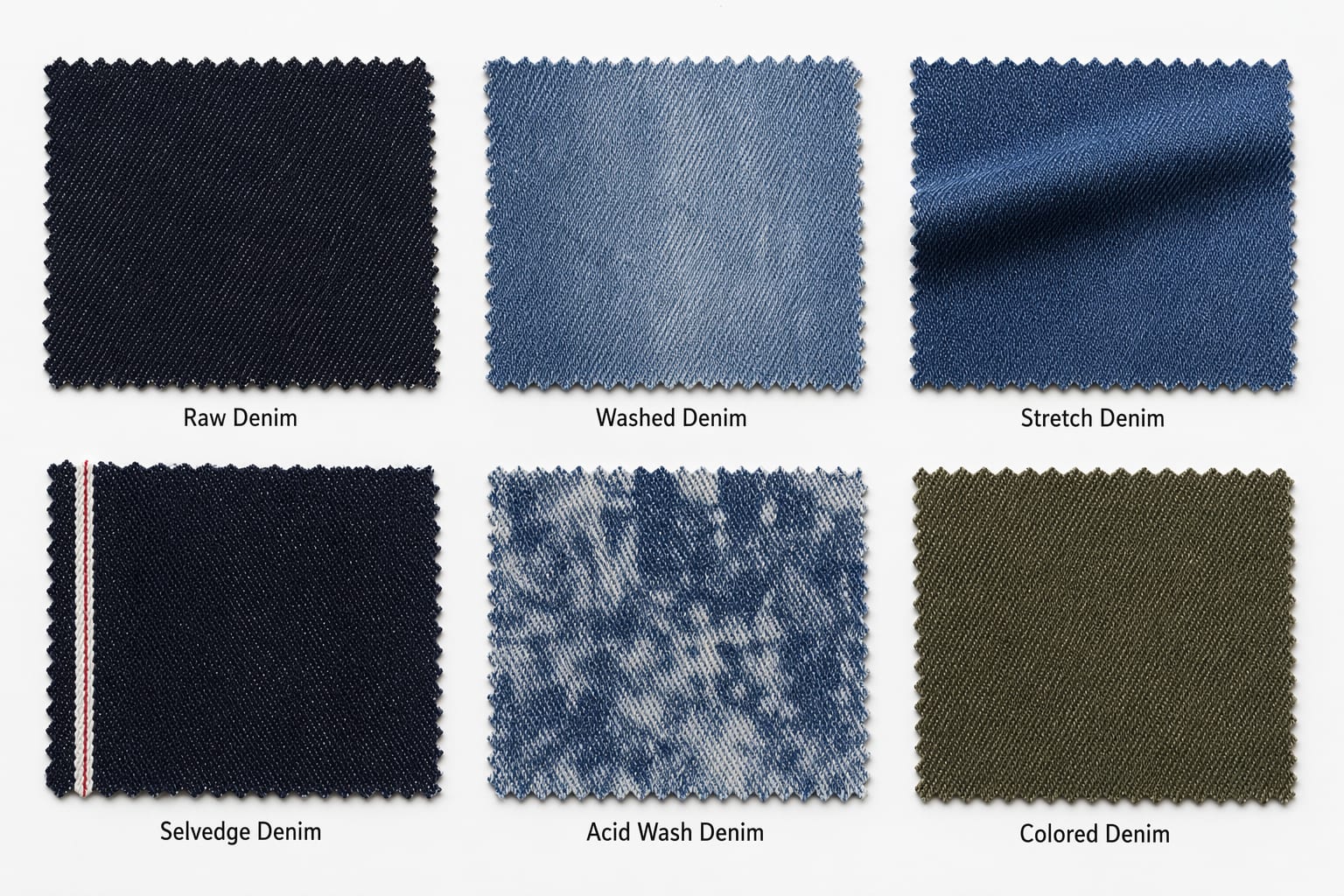
Different Types of Denim Fabric Used in Clothing
Denim fabrics come in many varieties depending on weaving patterns, treatments, and fiber composition. Each type offers unique characteristics such as flexibility, durability, or softness, making them suitable for different clothing applications.
1. Raw Denim
Raw denim, also known as dry denim, is denim that has not been washed or treated after the dyeing process.
-
Stiff texture when new
-
Develops unique fading patterns over time
-
Highly durable and long-lasting
-
Popular for premium jeans and jackets
2. Washed Denim
Washed denim undergoes washing treatments to soften the fabric and remove excess dye.
-
Softer and more comfortable to wear
-
Pre-faded appearance
-
Reduced shrinkage after washing
-
Commonly used for everyday denim apparel
3. Stretch Denim
Stretch denim contains elastic fibers such as spandex or elastane blended with cotton.
-
Provides flexibility and ease of movement
-
Ideal for skinny jeans and fitted garments
-
Comfortable for long-term wear
-
Maintains shape after repeated use
4. Selvedge Denim
Selvedge denim is produced using traditional shuttle looms that create a clean, finished edge.
-
Recognizable by its tightly woven edge
-
Premium quality fabric
-
Stronger and more durable
-
Often used in high-end denim clothing
5. Acid Wash Denim
Acid wash denim is treated with chemicals to create a distinctive faded and textured look.
-
Unique vintage appearance
-
Light and dark contrast patterns
-
Popular in retro fashion styles
-
Often used for jackets and statement pieces
6. Poly Denim
Poly denim is made by blending polyester fibers with cotton.
-
Lightweight and wrinkle resistant
-
More affordable than pure cotton denim
-
Quick drying and durable
-
Suitable for casual wear clothing
7. Crushed Denim
Crushed denim is processed to create a permanently wrinkled texture.
-
Distinctive crinkled surface
-
Fashion-forward look
-
Often used in trendy garments
-
Adds visual texture to outfits
8. Colored Denim
Colored denim is dyed in various shades beyond traditional blue.
-
Available in multiple colors such as black, white, red, and pastel tones
-
Ideal for fashion-focused clothing collections
-
Offers greater styling flexibility
-
Used in jeans, skirts, and jackets
Factors to Consider When Choosing Denim Fabric
Selecting the right type of denim fabric is important for achieving the desired comfort, durability, and appearance in clothing products. Different fabrics perform differently depending on their fiber composition, weight, and finishing process.
-
Fabric weight and thickness
-
Stretch and flexibility
-
Durability and strength
-
Color retention and fade resistance
-
Intended clothing style
Understanding these factors allows manufacturers and designers to produce garments that meet both style and performance requirements.

Conclusion
Denim continues to be one of the most widely used fabrics in the global fashion industry because of its durability, adaptability, and timeless appeal. With multiple varieties available, each type of denim fabric offers unique qualities suited for different clothing styles, from casual jeans to premium designer apparel.
For businesses looking to source high-quality fabrics, reliable suppliers play a crucial role in maintaining product standards. Amrita Global Enterprise is committed to delivering premium textile solutions and a wide range of fabric options to meet the evolving needs of fashion brands and clothing manufacturers worldwide.
FAQs About Denim Fabric
1. What makes denim fabric different from other fabrics?
Denim fabric is unique because of its twill weave structure, where the weft thread passes under two or more warp threads. This weaving pattern creates the signature diagonal ribbing that makes denim strong, durable, and resistant to wear and tear. It also allows the fabric to maintain its structure even after repeated use and washing.
2. Which type of denim is best for jeans?
Stretch denim and raw denim are commonly considered the best options for jeans. Stretch denim provides flexibility and comfort, making it ideal for modern fitted styles, while raw denim is preferred for its durability and ability to develop personalized fading patterns over time.
3. How can you identify high-quality denim fabric?
High-quality denim can be identified by checking factors such as fabric weight, weave tightness, stitching quality, and color consistency. Premium denim fabrics often feel thicker, stronger, and more structured compared to lower-grade materials.
4. Is denim fabric suitable for all seasons?
Yes, denim fabric can be worn in all seasons depending on its weight and composition. Lightweight denim is suitable for warmer climates, while heavier denim fabrics provide warmth and durability during colder seasons.
5. Why is denim fabric so popular in the fashion industry?
Denim remains popular because it is durable, versatile, and easy to style. Designers can use it in various clothing items such as jeans, jackets, shirts, and skirts, making it a timeless fabric that continues to evolve with fashion trends.