

Discover the best practices for quality control in the textile industry, from raw material inspection to advanced technology integration.
Introduction
Quality control is the backbone of success in the textile industry. With increasing global competition and rising customer expectations, maintaining consistent product standards has become essential for fabric manufacturers and businesses involved in textile manufacturing. From raw material inspection to final product evaluation, implementing strong quality control practices not only ensures durability and performance but also builds brand credibility in the market.
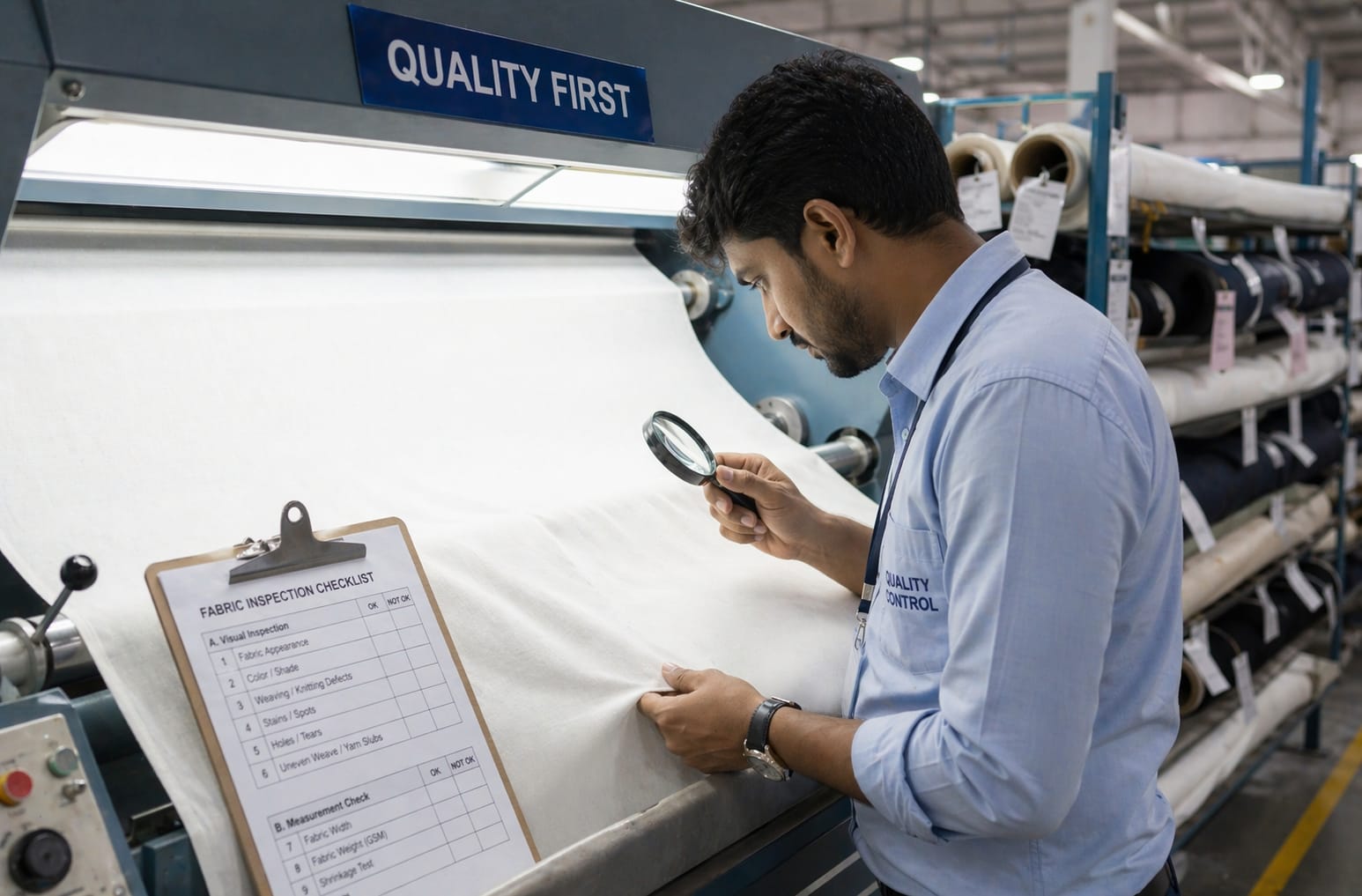
Why Quality Control Matters in the Textile Industry
Quality control plays a crucial role in ensuring that products meet required standards and customer expectations. In the textile industry, even minor defects can lead to significant losses, returns, and reputational damage. Effective quality management helps fabric manufacturers maintain consistency, reduce waste, and improve operational efficiency across textile manufacturing processes.
Impact on Brand Reputation
- Ensures consistent product quality across batches
- Builds long-term customer trust and loyalty
- Reduces negative reviews and product returns
Cost Reduction and Efficiency
- Minimizes rework and production errors
- Reduces material wastage
- Improves overall operational efficiency in textile manufacturing
Key Stages of Quality Control in Textile Manufacturing
Quality control in textile manufacturing is not limited to final inspection; it spans across multiple stages of production. Each stage must be carefully monitored to ensure the final product meets industry standards and customer expectations.
Raw Material Inspection
- Check fiber strength and durability
- Verify yarn quality and consistency
- Ensure dyes and chemicals meet standards
In-Process Quality Checks
- Monitor spinning and weaving processes
- Identify defects during dyeing and finishing
- Maintain consistency across production batches
Final Product Inspection
- Check for color consistency and fabric defects
- Evaluate texture, strength, and finish
- Ensure compliance with customer specifications
Best Practices for Ensuring Quality in Textiles
Adopting the right practices can significantly improve quality outcomes in textile manufacturing. These practices help fabric manufacturers maintain consistency while optimizing production efficiency.
Standardized Testing Procedures
- Use industry-approved testing methods
- Maintain consistency across all production units
- Ensure compliance with global quality standards
Skilled Workforce Training
- Train staff on quality inspection techniques
- Conduct regular skill development programs
- Improve error detection and reporting accuracy
Use of Advanced Technology
- Implement automated inspection systems
- Use AI tools for defect detection
- Enhance speed and accuracy in quality checks
Role of Technology in Textile Quality Control
Technology is transforming how quality control is managed in the textile industry. From automated inspection systems to data-driven analytics, modern tools are enabling fabric manufacturers to achieve higher precision and efficiency.
Automation and AI Integration
- Detect defects with higher accuracy
- Reduce dependency on manual inspection
- Improve consistency in textile manufacturing
Data-Driven Decision Making
- Analyze production data for quality improvements
- Identify recurring defects and root causes
- Optimize processes for better output
Common Challenges in Textile Quality Control
Despite advancements, maintaining quality in the textile industry comes with its own set of challenges. Fabric manufacturers must address these issues to ensure consistent production outcomes.
Variability in Raw Materials
- Natural fibers may vary in quality
- Inconsistent supplier standards
- Difficulty in maintaining uniform output
Human Errors in Inspection
- Manual inspection may miss defects
- Inconsistencies in large-scale production
- Need for better training and automation

Conclusion
Maintaining high standards in the textile industry requires a combination of skilled workforce, advanced technology, and well-defined processes. By implementing best practices in quality control, fabric manufacturers can enhance product reliability, reduce costs, and improve customer satisfaction in textile manufacturing.
Companies like Amrita Global Enterprise understand the importance of quality at every stage of production. By focusing on consistent quality control measures and continuous improvement, they contribute to delivering reliable textile solutions that meet global standards.
FAQs
What is quality control in the textile industry?
It is the process of maintaining product standards from raw materials to finished goods. It ensures consistency, durability, and performance in textile manufacturing.
Why is quality control important for fabric manufacturers?
It helps reduce defects and production losses while improving customer satisfaction. Strong quality control also enhances brand reputation in the textile industry.
What are the main stages of textile quality control?
The key stages include raw material inspection, in-process checks, and final product evaluation. Each stage ensures the product meets required quality standards.
How does technology improve textile quality control?
Technology improves accuracy through automation and reduces human errors in inspection. It also enables data-driven decisions in textile manufacturing.
What challenges do textile manufacturers face in quality control?
Common challenges include inconsistent raw materials and manual inspection errors. Maintaining uniform standards in large-scale textile manufacturing is also difficult.