

The textile industry supply chain starts with the sourcing of raw materials, including natural fibers like cotton, wool, and silk, as well as synthetic fibers such as polyester and nylon.
Introduction
The textile industry is one of the most interconnected sectorsin the global economy, linking raw material producers, textile manufacturers, fabric processors, and fashion brands. Every fabric used in apparel, home furnishings, or industrial applications passes through a structured supply chain that ensures quality, consistency, and performance. Understanding this supply chain helps businesses make informed sourcing decisions and highlights the role of experienced fabric manufacturers in delivering reliable textiles.
Understanding the Textile Industry Supply Chain
The textile industry supply chain refers to the complete journey of textile production, starting from raw fibers and ending with finished fabrics ready for use. Each stage is interdependent, meaning any gap in quality control or processing can impact the final product. Efficient textile manufacturing focuses on coordination, precision, and innovation at every level.
Key stages of the textile industry supply chain include:
- Raw material sourcing
- Fiber processing and yarn production
- Fabric manufacturing
- Dyeing, printing, and finishing
- Quality control and distribution
Raw Material Sourcing
Raw material sourcing is the first and most critical step in the textile industry. Fibers used in textile manufacturing can be natural, synthetic, or regenerated, depending on the fabric’s end use. Cotton, wool, silk, polyester, and viscose are among the most commonly used fibers. Quality sourcing ensures better yarn strength, improved fabric durability, and enhanced comfort, especially for fashion fabrics
Important factors in raw material sourcing:
- Fiber quality and consistency
- Sustainability and ethical sourcing
- Suitability for different textile applications
Sustainability is also gaining importance at this stage, with textile manufacturers increasingly opting for responsibly sourced and eco-friendly raw materials.
Fiber Processing and Yarn Production
After sourcing, raw fibers are cleaned, processed, and converted into yarn. This stage plays a key role in determining fabric texture, strength, and uniformity. Advanced spinning techniques allow fabric manufacturers to produce yarns suitable for diverse textile applications, from lightweight fashion fabrics to heavy-duty industrial textiles.
Benefits of advanced yarn production include:
- Improved fabric strength and durability
- Uniform yarn thickness
- Better performance in textile manufacturing
Consistency during yarn production directly impacts fabric quality, making this step essential in modern textile manufacturing.
Fabric Manufacturing
Fabric manufacturing is where yarns are transformed into structured textiles through weaving, knitting, or other production techniques. The chosen method affects the fabric’s appearance, stretch, breathability, and durability. Reliable fabric manufacturers focus on precision and innovation to meet the demands of fashion brands and bulk buyers alike.
Common fabric manufacturing techniques:
- Weaving for structured and durable fabrics
- Knitting for flexible and stretchable fabrics
- Specialized methods for technical textiles
This stage is especially important for fashion fabrics, where design, feel, and performance must align with market trends.
Dyeing, Printing, and Finishing
Once fabrics are produced, they undergo dyeing, printing, and finishing to enhance their visual appeal and functional properties. These processes improve color consistency, softness, shrink resistance, and overall fabric performance. Modern textile manufacturing emphasizes sustainable dyeing and finishing methods to reduce water usage and environmental impact while maintaining quality standards.
Key finishing objectives include:
- Enhanced color and appearance
- Improved comfort and fabric feel
- Added functional properties
Quality Control and Distribution
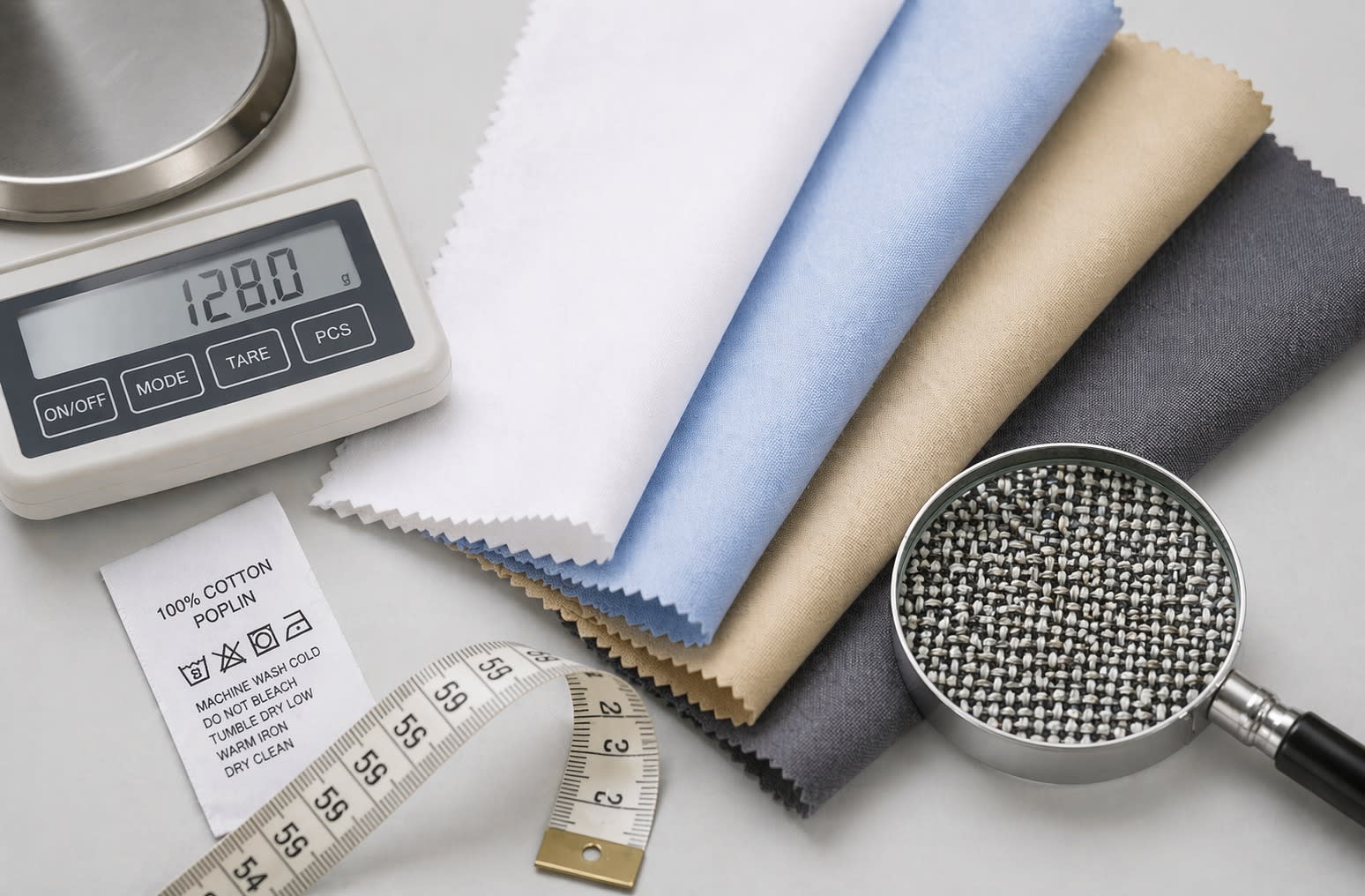
Quality control ensures that finished fabrics meet industry specifications and customer expectations. Fabric manufacturers conduct thorough testing for durability, color fastness, and dimensional stability before fabrics are approved for distribution. Efficient logistics and supply chain management then ensure timely delivery to garment manufacturers, exporters, and fashion brands across the textile industry.
Quality control checks often include:
- Fabric strength and durability testing
- Color fastness and shrinkage testing
- Compliance with industry standards
Conclusion: Building a Strong Textile Industry Supply Chain
The textile industry supply chain is a well-coordinated system that transforms raw materials into high-quality finished fabrics. From responsible sourcing and advanced textile manufacturing to strict quality control, each stage contributes to fabric excellence and long-term reliability.
At Amrita Global Enterprise, we specialize in delivering premium fabrics by maintaining high standards across every stage of the textile supply chain. As trusted fabric manufacturers, we support the textile industry with consistent quality, innovative textile manufacturing processes, and reliable fashion fabrics tailored to global market needs.
Frequently Asked Questions (FAQs)
What is the textile industry supply chain?
It includes all stages of fabric production, from raw material sourcing to finished fabric distribution.
Why is textile manufacturing important?
Textile manufacturing ensures fabric quality, performance, and suitability for various applications.
What role do fabric manufacturers play in the textile industry?
Fabric manufacturers convert yarn into finished textiles while maintaining quality, consistency, and innovation.
How does the textile industry support fashion fabrics?
The textile industry provides diverse fabric constructions, finishes, and designs required for fashion applications.
How is sustainability shaping the textile industry today?
Sustainable sourcing, eco-friendly processing, and reduced environmental impact are key priorities in modern textile manufacturing.