

Explore how the textile industry shapes the fashion and retail sectors through innovation, quality textile manufacturing, and efficient supply
Introduction
The textile industry plays a foundational role in shaping the global fashion and retail sectors. From sourcing raw materials to delivering finished garments, textile manufacturing directly influences design trends, production speed, and product availability. Fabric manufacturers are at the core of this ecosystem, enabling fashion brands and retailers to meet evolving consumer demands. Understanding how the textile industry impacts fashion and retail helps businesses align strategies for growth and innovation.
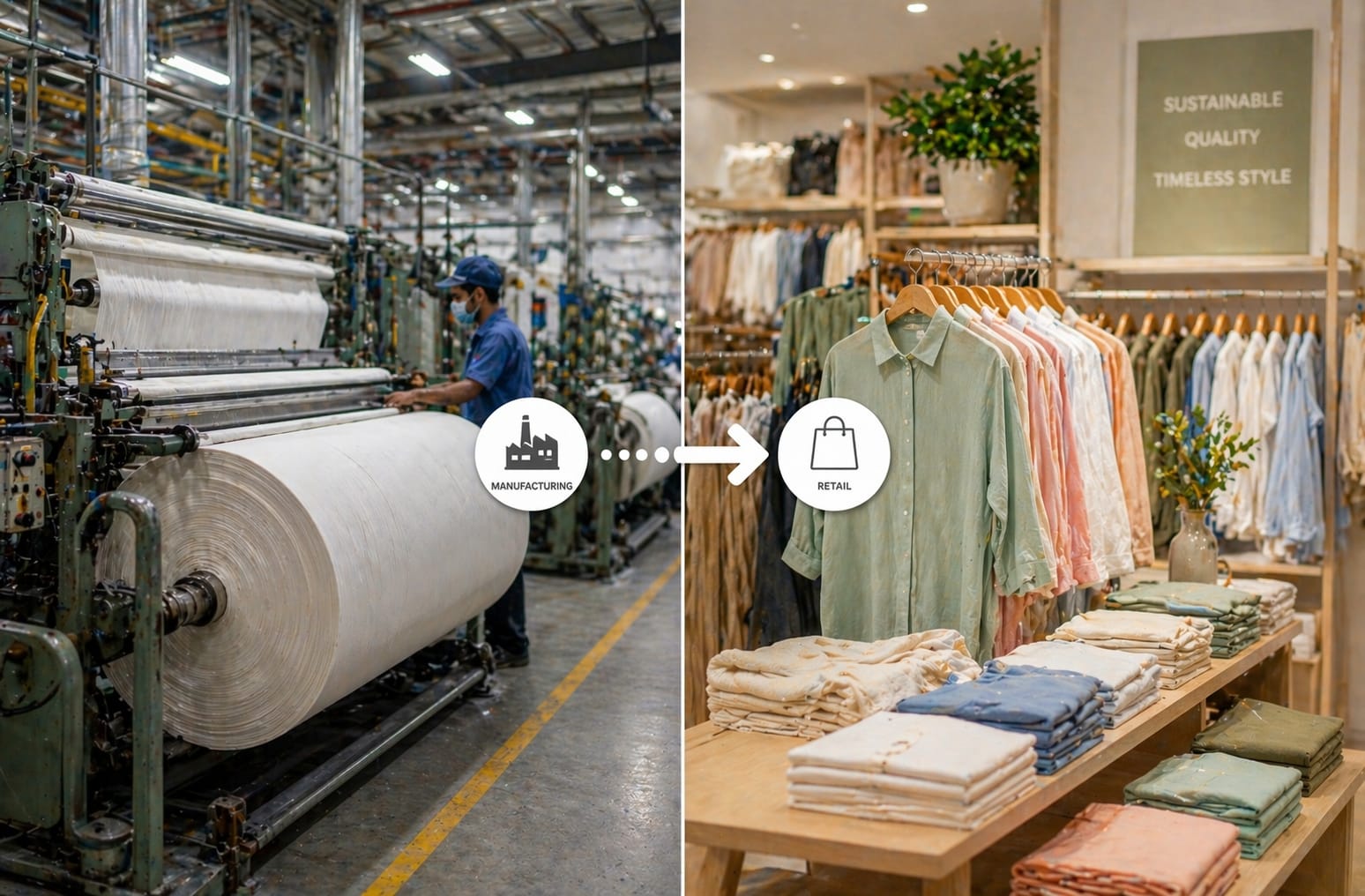
Role of Textile Manufacturing in Fashion Development
Textile manufacturing is the backbone of fashion creation, providing the materials that designers use to bring their ideas to life. Without innovation in fabric production, the fashion industry would struggle to evolve.
-
Material Innovation
Advancements in textile manufacturing allow designers to experiment with new textures, blends, and sustainable fabrics. -
Design Flexibility
Fabric manufacturers offer a wide range of materials, enabling fashion brands to create diverse collections.
Influence on Retail Supply Chains
The textile industry significantly impacts how retail businesses operate, particularly in terms of inventory, logistics, and product availability.
-
Production Speed
Efficient textile manufacturing ensures faster turnaround times, helping retailers keep up with fast fashion trends. -
Inventory Management
Reliable fabric manufacturers help maintain consistent supply, reducing stock shortages and delays.
Impact on Fashion Trends
Fashion trends are heavily influenced by the capabilities and innovations within the textile industry. The availability of new fabrics often drives new styles.
-
Trend Innovation
New fabric developments inspire fresh designs and seasonal collections. -
Sustainability Trends
Eco-friendly textile manufacturing is shaping modern fashion, as consumers demand more sustainable products.
Economic Contribution to Retail Growth
The textile industry contributes significantly to the global economy and supports the expansion of retail markets.
-
Job Creation
Textile manufacturing generates employment across various stages, from production to distribution. -
Global Trade
Fabric manufacturers play a key role in international trade, supplying materials to fashion brands worldwide.
Customer Experience and Product Quality
The quality of textile manufacturing directly impacts the end consumer’s experience in the retail sector.
-
Product Durability
High-quality fabrics ensure long-lasting garments, increasing customer satisfaction. -
Brand Reputation
Retail brands depend on reliable fabric manufacturers to maintain consistent product standards.
Digital Transformation in Textile and Retail
Technology is bridging the gap between the textile industry and retail, improving efficiency and customer engagement.
-
Smart Manufacturing
Automation and digital tools enhance textile manufacturing processes and reduce costs. -
E-commerce Integration
Retailers leverage digital platforms to showcase products made possible by advanced fabric manufacturers.

Conclusion
The textile industry is a driving force behind the success of fashion and retail, influencing everything from design and production to distribution and customer satisfaction. Fabric manufacturers and textile manufacturing processes play a critical role in shaping trends, ensuring quality, and supporting global retail growth. Companies like Amrita Global Enterprise contribute significantly by delivering reliable and innovative textile solutions, helping businesses stay competitive in a rapidly evolving market.
FAQs
How does the textile industry influence fashion trends?
The textile industry influences fashion trends by introducing new fabrics, textures, and sustainable materials. Designers rely on innovations in textile manufacturing to create unique styles that define seasonal trends and consumer preferences.
Why are fabric manufacturers important for retail businesses?
Fabric manufacturers ensure a steady supply of high-quality materials, which is essential for maintaining product consistency and meeting market demand. Their role directly impacts the efficiency and reliability of retail operations.
How does textile manufacturing affect product quality in retail?
Textile manufacturing determines the durability, comfort, and overall quality of garments. High-quality production processes lead to better products, which enhance customer satisfaction and brand loyalty.
What is the role of sustainability in the textile industry?
Sustainability is becoming increasingly important as consumers demand eco-friendly products. Textile manufacturing is adopting greener practices to reduce environmental impact and meet global standards.
How does the textile industry support economic growth?
The textile industry supports economic growth by creating jobs, enabling global trade, and contributing to the expansion of fashion and retail markets worldwide.