

Fabric finishing plays a crucial role in enhancing the quality, appearance, and performance of textiles.
Introduction
Fabric finishing plays a vital role in improving the appearance, durability, and functionality of textiles. In the modern textile industry, finishing processes are used to enhance the quality of fabrics after the weaving or knitting stage. These treatments help transform raw materials into high-performance textiles that meet the expectations of consumers and fashion brands.
Today, many fabric manufacturers and textile companies focus on advanced finishing techniques to improve softness, strength, color retention, and overall fabric performance. As textile manufacturing continues to evolve, fabric finishing remains an essential step in delivering high-quality textile products for various applications.
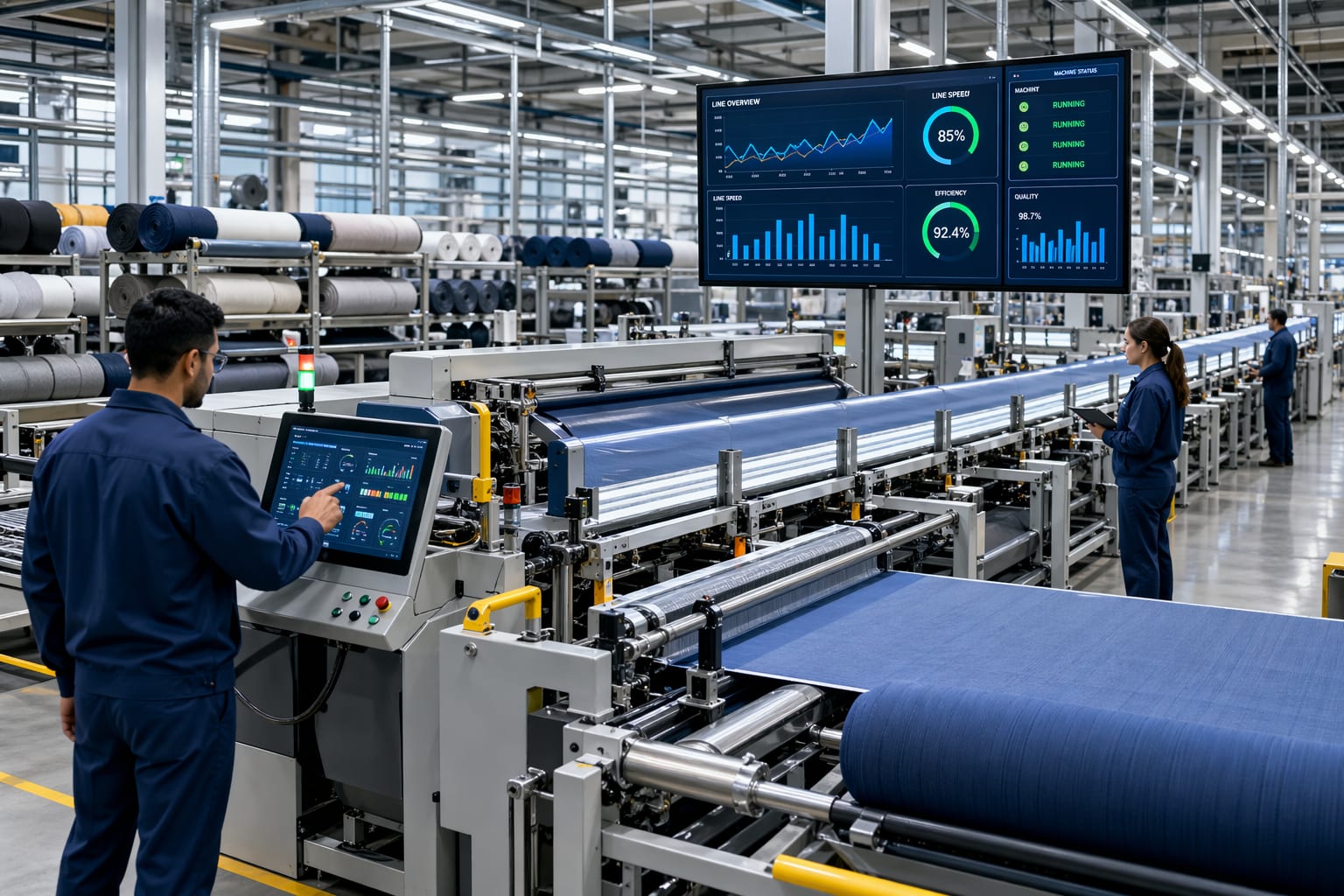
What Is Fabric Finishing in Textile Manufacturing?
Fabric finishing refers to a series of processes applied to fabrics after production to improve their texture, performance, and visual appeal.
Common Fabric Finishing Methods
-
Mechanical finishing processes
-
Chemical finishing treatments
-
Heat and moisture treatments
-
Surface enhancement techniques
These finishing methods help fabric manufacturers enhance the overall quality of textiles while ensuring that fabrics meet industry standards. In the textile industry, finishing processes are carefully selected depending on the fabric type and its intended use.
Improving Fabric Durability and Strength
One of the main goals of fabric finishing is to improve the durability and strength of textiles used in clothing and industrial applications.
Finishing Techniques for Stronger Fabrics
-
Resin finishing for improved strength
-
Heat treatments for fiber stabilization
-
Reinforcement coatings for heavy-duty fabrics
-
Anti-tear finishing processes
By applying these treatments, textile companies can produce fabrics that last longer and maintain their structure even after repeated washing and wear. This is particularly important in textile manufacturing, where product quality directly affects customer satisfaction.
Enhancing Fabric Appearance and Texture
Fabric finishing also improves the visual appeal and feel of textiles, making them more attractive and comfortable for consumers.
Appearance Enhancing Finishes
-
Softening treatments for smoother fabric feel
-
Calendaring for a polished surface
-
Brushing and sueding for a soft texture
-
Luster enhancement processes
These finishing techniques allow fabric manufacturers to create textiles with improved aesthetics and a premium feel. As a result, the textile industry can deliver fabrics that meet modern fashion and design requirements.
Adding Functional Properties to Fabrics
Modern finishing technologies allow fabrics to gain additional functional properties that improve their usability in different environments.
Functional Fabric Finishes
-
Water-repellent treatments
-
Wrinkle-resistant finishes
-
Anti-bacterial coatings
-
Moisture-wicking treatments
Functional finishes are widely used in textile manufacturing to create performance fabrics used in sportswear, healthcare textiles, and protective clothing. Many textile companies rely on these processes to develop specialized products that serve multiple industries.
Improving Color Retention and Fabric Stability
Another important benefit of fabric finishing is improving color durability and maintaining the shape of the fabric over time.
Techniques for Color and Stability Improvement
-
Dye fixation processes
-
Shrink-resistant finishing
-
Color fastness treatments
-
Heat setting for shape stability
These finishing processes ensure that fabrics maintain their original color and structure even after multiple washes. For fabric manufacturers, this step is essential for maintaining high standards in the competitive textile industry.
Supporting Innovation in the Textile IndustryFabric finishing is also driving innovation by enabling the development of advanced textiles with improved performance and sustainability.
Innovations in Fabric Finishing
-
Eco-friendly finishing technologies
-
Low-water finishing systems
-
Smart textile coatings
-
Sustainable chemical treatments
These innovations allow textile companies to reduce environmental impact while improving product performance. As sustainability becomes a major focus in the textile manufacturing sector, finishing technologies continue to evolve.

Conclusion
Fabric finishing plays a crucial role in improving textile quality by enhancing durability, appearance, functionality, and color stability. Through advanced finishing techniques, the textile industry can produce fabrics that meet the evolving demands of fashion brands, manufacturers, and consumers.
As global competition increases, businesses rely on experienced fabric manufacturers and reliable partners to deliver high-quality textile solutions. Amrita Global Enterprise, a trusted textile company, is committed to supporting modern textile manufacturing with quality fabrics and innovative textile solutions that meet international standards.
Frequently Asked Questions (FAQs)
1. What is the purpose of fabric finishing in textile manufacturing?
Fabric finishing is used to enhance the overall quality and performance of fabrics after they are produced. It improves characteristics such as softness, durability, appearance, and resistance to environmental factors. In the textile industry, finishing processes help ensure that fabrics meet the expectations of consumers and manufacturers by making them more comfortable, functional, and visually appealing.
2. What are the different types of fabric finishing processes?
Fabric finishing processes generally fall into two categories: mechanical finishing and chemical finishing. Mechanical finishing includes processes like calendaring, brushing, and heat setting, while chemical finishing involves treatments such as wrinkle resistance, water repellency, and stain protection. Both methods are widely used by fabric manufacturers to improve textile performance.
3. Why is fabric finishing important for textile quality?
Fabric finishing is important because it transforms basic fabrics into high-quality materials suitable for clothing, industrial applications, and specialized textiles. It improves durability, enhances appearance, and adds functional properties, allowing textile companies to deliver products that meet modern quality standards.
4. How does fabric finishing affect the durability of textiles?
Finishing processes can significantly improve the durability of textiles by strengthening fibers, reducing shrinkage, and protecting fabrics from wear and tear. Treatments such as resin finishing and heat setting help fabrics maintain their structure and performance even after frequent washing and use.
5. How are modern textile companies improving fabric finishing processes?
Modern textile companies are adopting advanced technologies and eco-friendly finishing methods to improve efficiency and sustainability. These innovations include low-water finishing systems, environmentally friendly chemicals, and smart textile coatings that enhance fabric performance while reducing environmental impact.